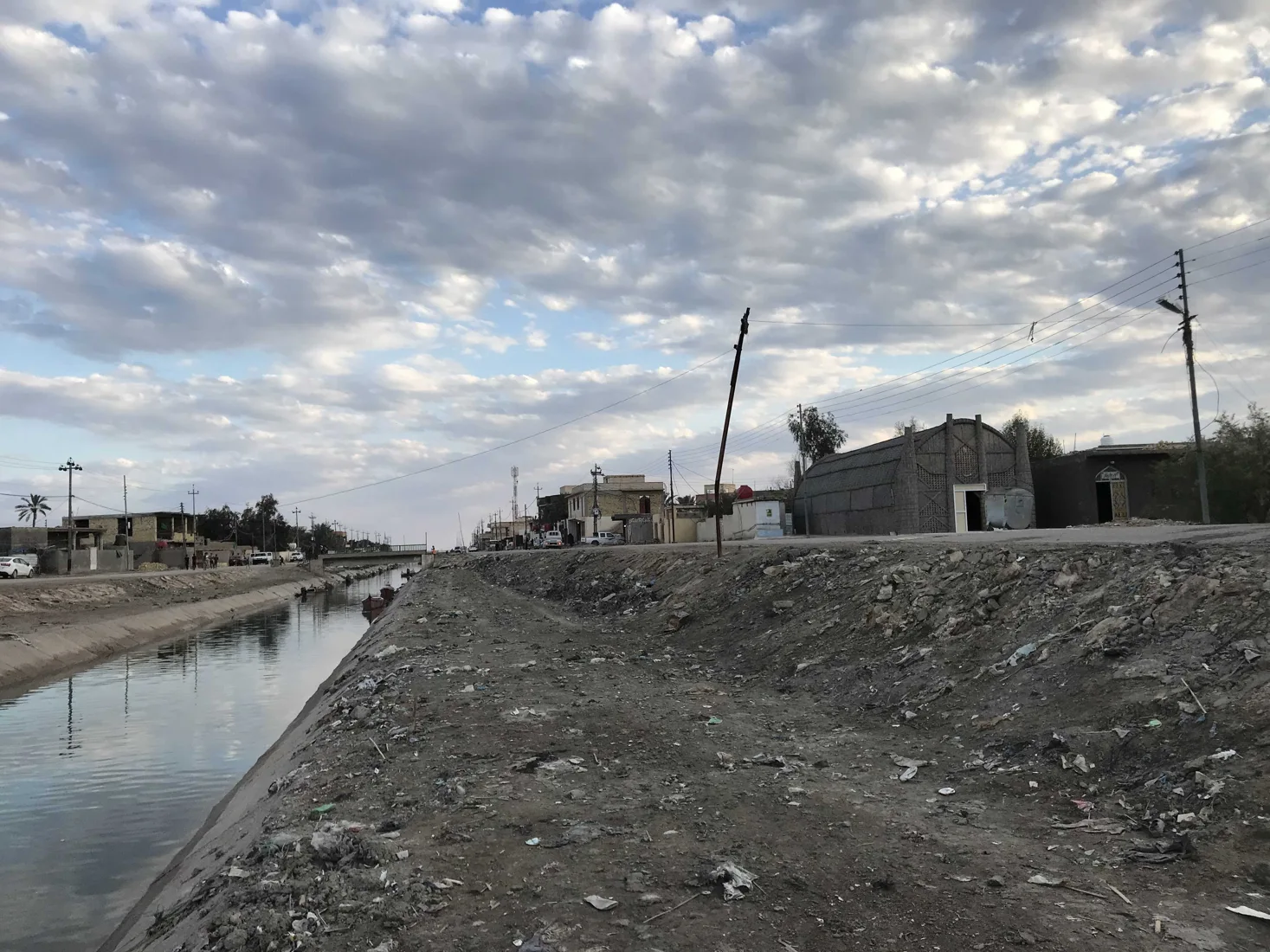
A clean appearance is insufficient
Water may look clear beside a boat or in a photograph while containing hazards invisible to the eye. CDC guidance for travel and outdoor water distinguishes microbial treatment from problems involving chemicals or toxins. A single method does not address every kind of contamination.
Do not use colour, smell or the presence of fish to decide whether to drink. Do not taste marsh water to judge salinity. Establishing a drinking-water source before departure is easier than making an improvised decision in the middle of a journey.
What about boiling and small filters?
CDC explains that boiling or disinfection cannot make water contaminated with harmful chemicals or toxins safe. A filter’s capabilities depend on its design and what it is intended to remove. The label “travel filter” does not establish that it removes salts or every contaminant.
This article does not provide a treatment recipe for marsh water. The intended preparation is to arrange drinking water from a trusted source.
Before leaving home
- Agree with the group and organiser on the drinking-water source and what you will supply yourself.
- Use suitable clean, closed containers and plan for the journey’s duration and possible delays.
- Keep drinking water separate from water for other purposes; do not mix the sources.
- Ask about handwashing and food arrangements, especially if a meal is included.
People’s needs vary with heat, activity, age and health. Prepare for your group’s circumstances and existing personal medical advice. Water being available from an organiser does not establish its quality, so agree on arrangements explicitly rather than assuming.
Protection includes what we leave behind
Take containers, bags and other rubbish back with you. Do not release detergents, oils or food waste into the water. Use appropriate facilities following local guidance, rather than contaminating edges used by people and animals.
Reading the photograph in this article
The accompanying image is an archive record of rubbish at a site in the Iraqi marshes. It is not a laboratory analysis or an assessment of all marshes today. Keeping visual evidence separate from water-quality testing avoids two misleading generalisations: that attractive water is safe, or that one image describes an entire region at every time.
Article references
This explanatory article draws on the references below. Dated studies and images do not establish current visiting conditions.