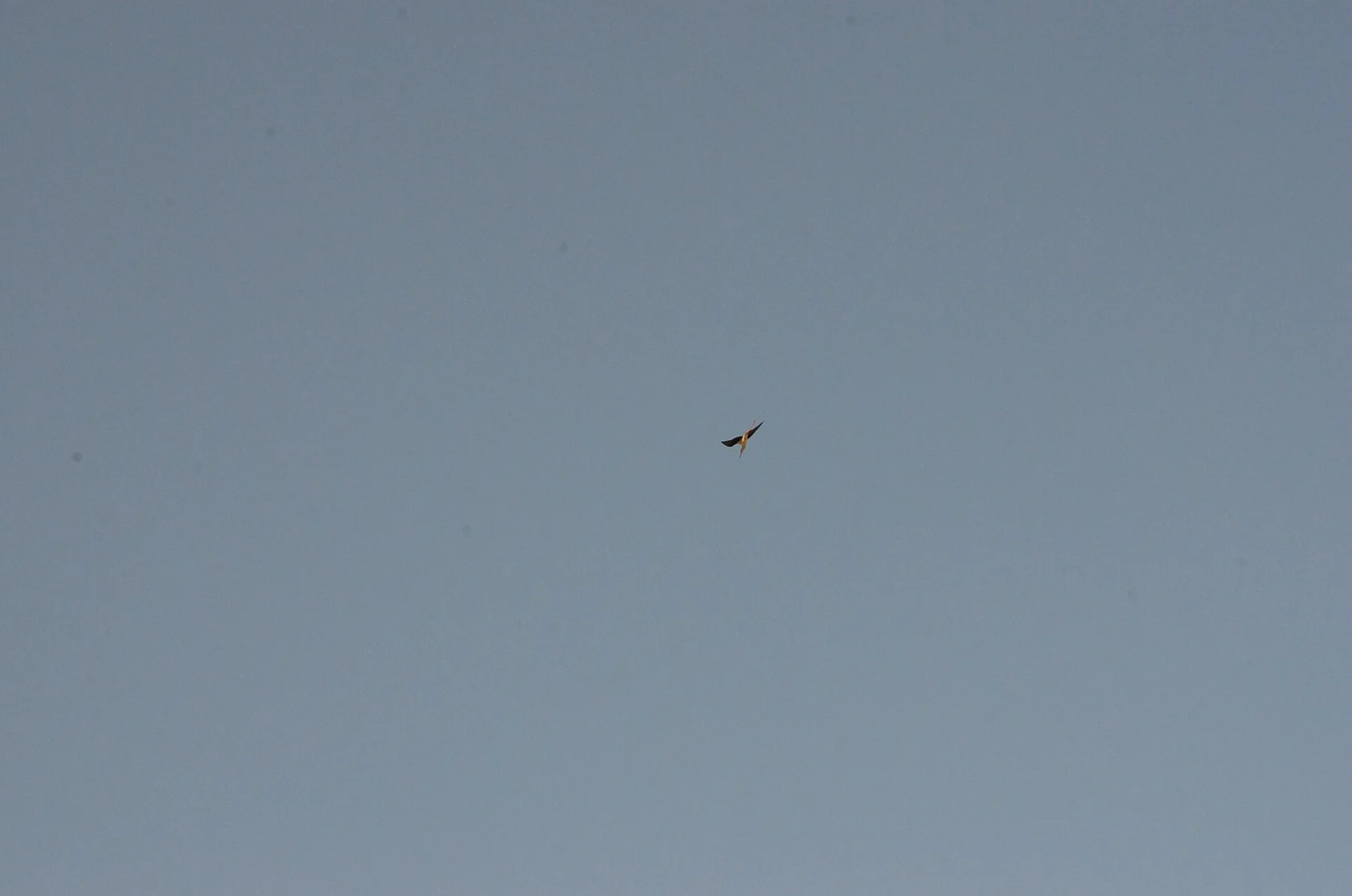
A place is part of a journey
You may see a bird beside a marsh and fail to find it on another visit. Seasonal movement is one possible explanation, but identifying it requires a species and an observation date. Resident, wintering and passage birds do not have the same relationship with a place.
Iraq lies between wider regions in Asia, Europe and Africa, within networks linking distant habitats. Specialist bird references emphasise the country’s range of environments, from northern uplands to southern wetlands. This article avoids a fixed species total: lists, taxonomies and record boundaries differ and are updated.
Why do birds stop?
A stopover is not empty space between a start and an endpoint. Birds need food, rest and suitable conditions according to species and stage of movement. A reed edge or shallow pool can therefore form part of a relationship extending well beyond Iraq’s borders.
This does not make every marsh bird a migrant or give all species one route. The Convention on Migratory Species offers a framework for understanding dependence on several countries and habitats. Establishing the route of an individual bird requires research or tracking beyond a single photograph.
A useful observation notebook
- Record date, time, known site name and observation duration.
- Describe habitat: reeds, open water, shallows or nearby dry ground.
- Mark estimated counts as estimates and note visible behaviour, such as resting, feeding or flying.
- Record confidence in identification. Leave a name unresolved rather than inventing certainty.
When distance makes the better picture
If a bird changes behaviour because of your approach, move back. Avoid playback to attract birds or pursuing a flock to create a mass take-off. Do not publish precise nest locations or cut reeds to expose a bird. Binoculars or a lens used from a suitable distance can support observation without turning rest into escape.
Fair comparison needs context
Sightings depend on season, time, weather, observer experience, duration and visibility. A quiet day does not establish that a site has lost its birds; a large flock does not prove recovery of the entire system. Notes become more useful when they explain their limits and can be compared with later visits.
Start with a place you can visit respectfully and record what you actually see. A small, careful local observation has a place within the larger story of migration.
Article references
This explanatory article draws on the references below. Dated studies and images do not establish current visiting conditions.