 01
The Iraqi marshes: a reader’s guide
Where the marshes are, how their three main systems differ, and why water and people belong in the same story.
Use “Save for later” inside an article to keep it here. Your list stays in this browser, without an account or sending data.
There are no saved articles in this browser yet. Explore the library ↗
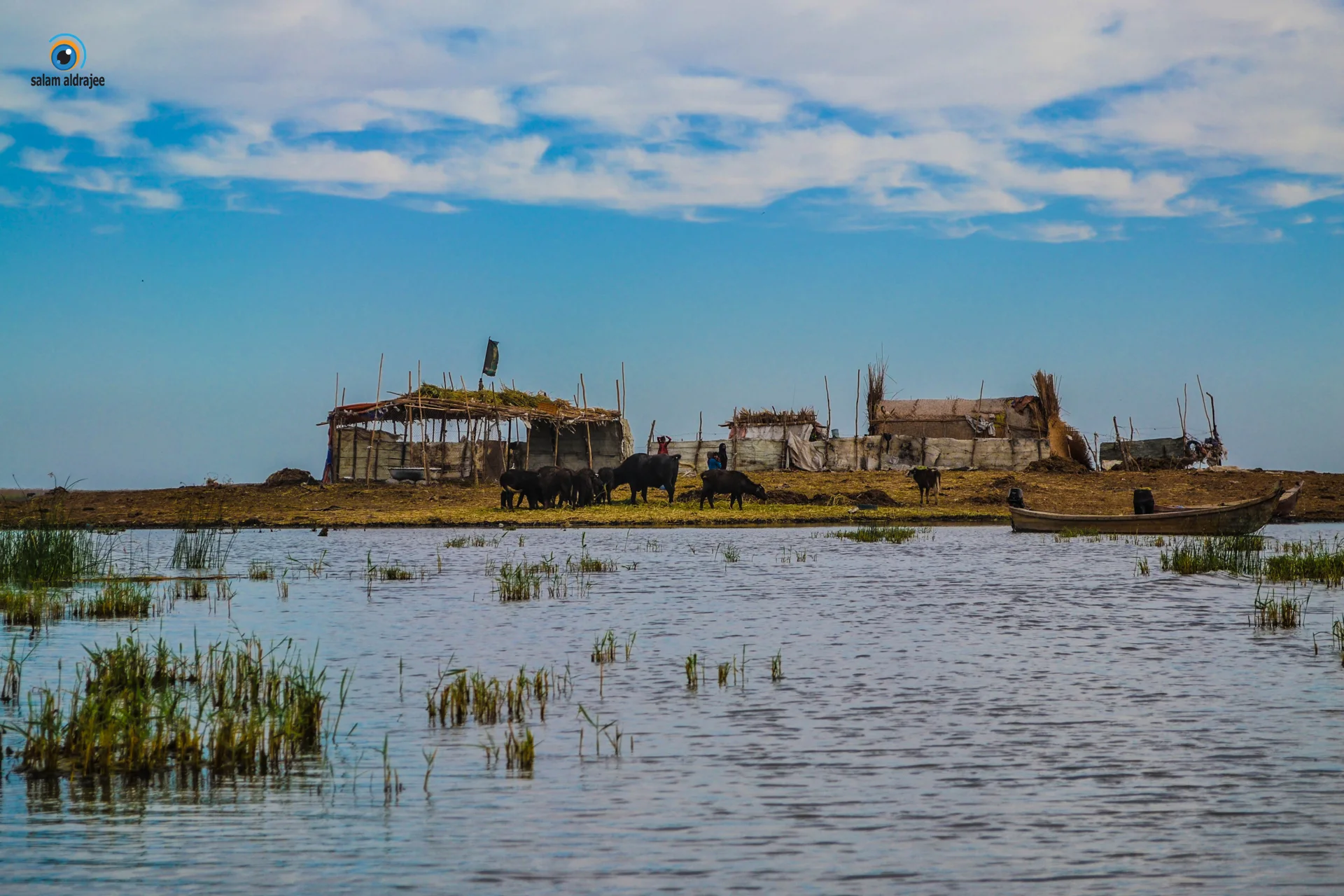
01Where the marshes are, how their three main systems differ, and why water and people belong in the same story.
 02
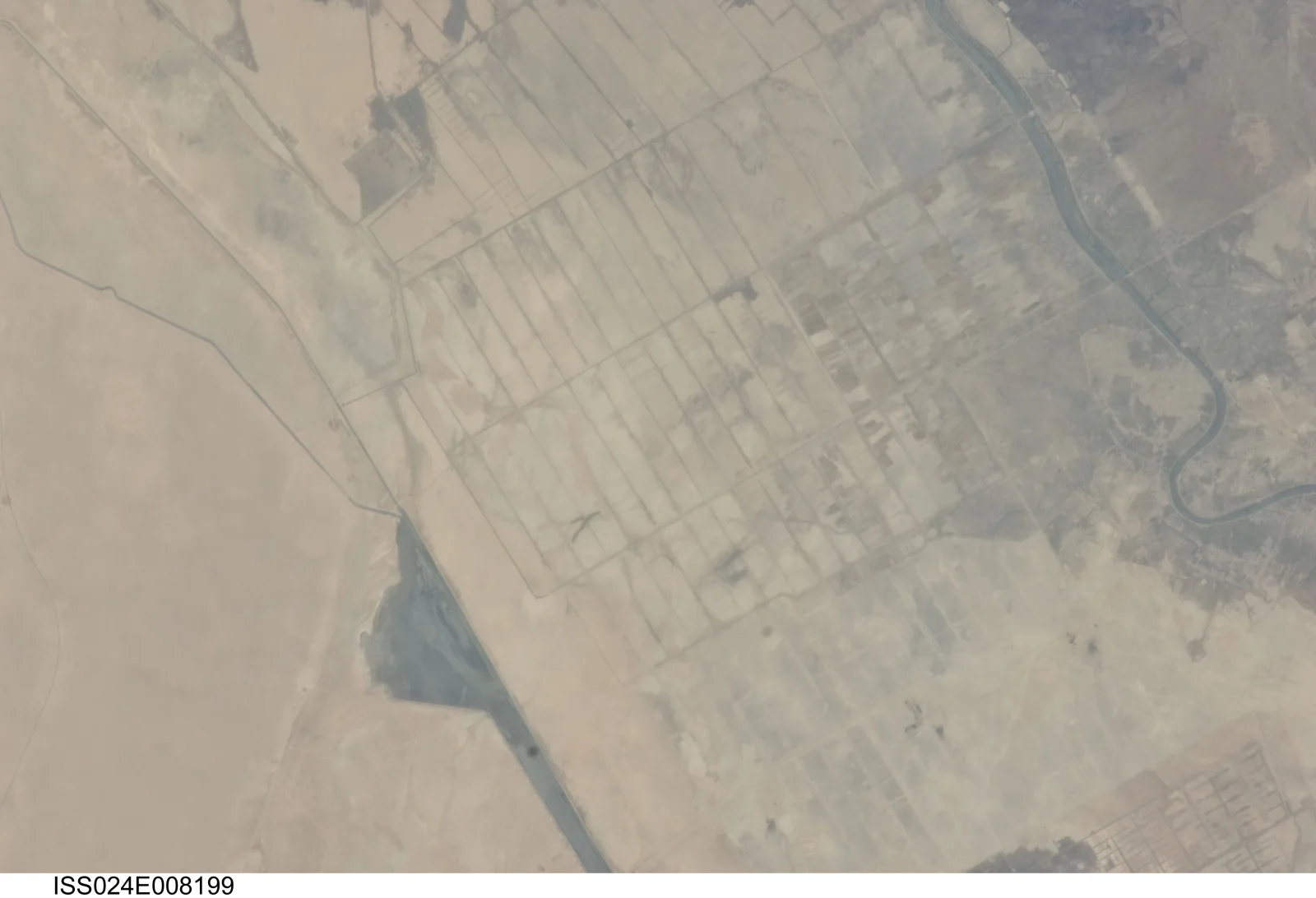
A geographic introduction, with an important distinction between a designated site and its changing water extent.
 03
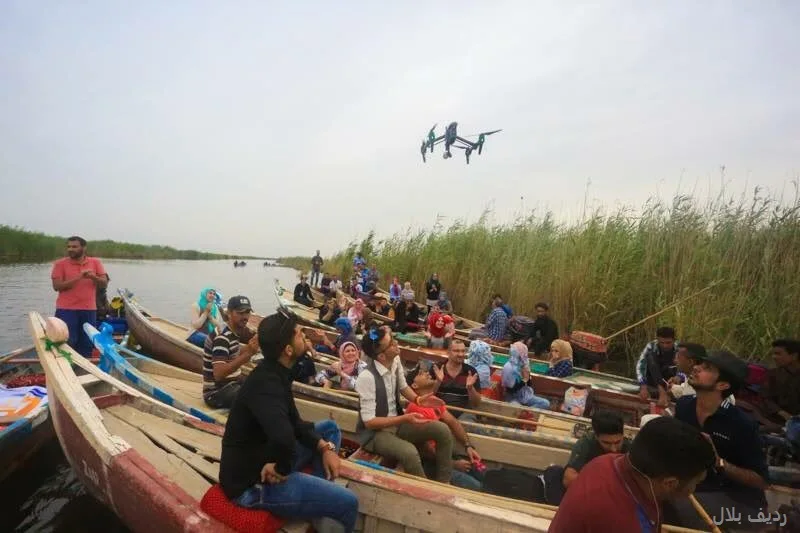
Permanent and seasonal habitats within a landscape that looks uniform from afar.
 04
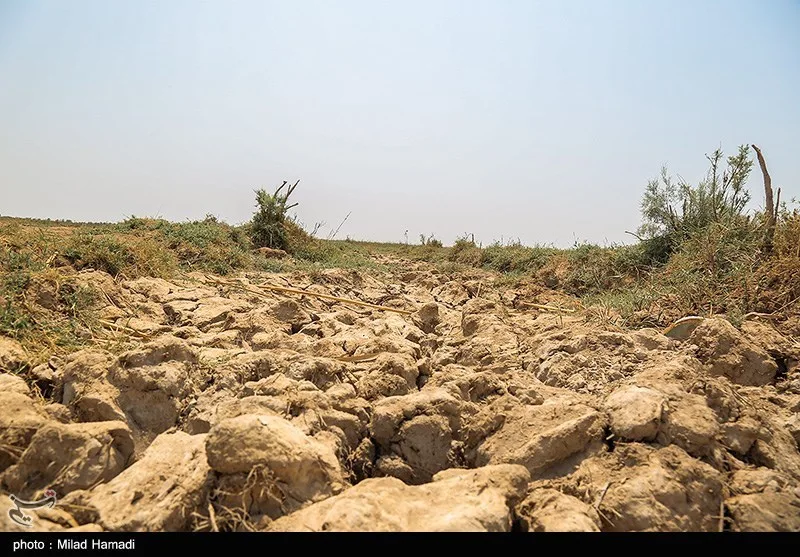
An eastern wetland showing why ecological connections extend beyond administrative borders.
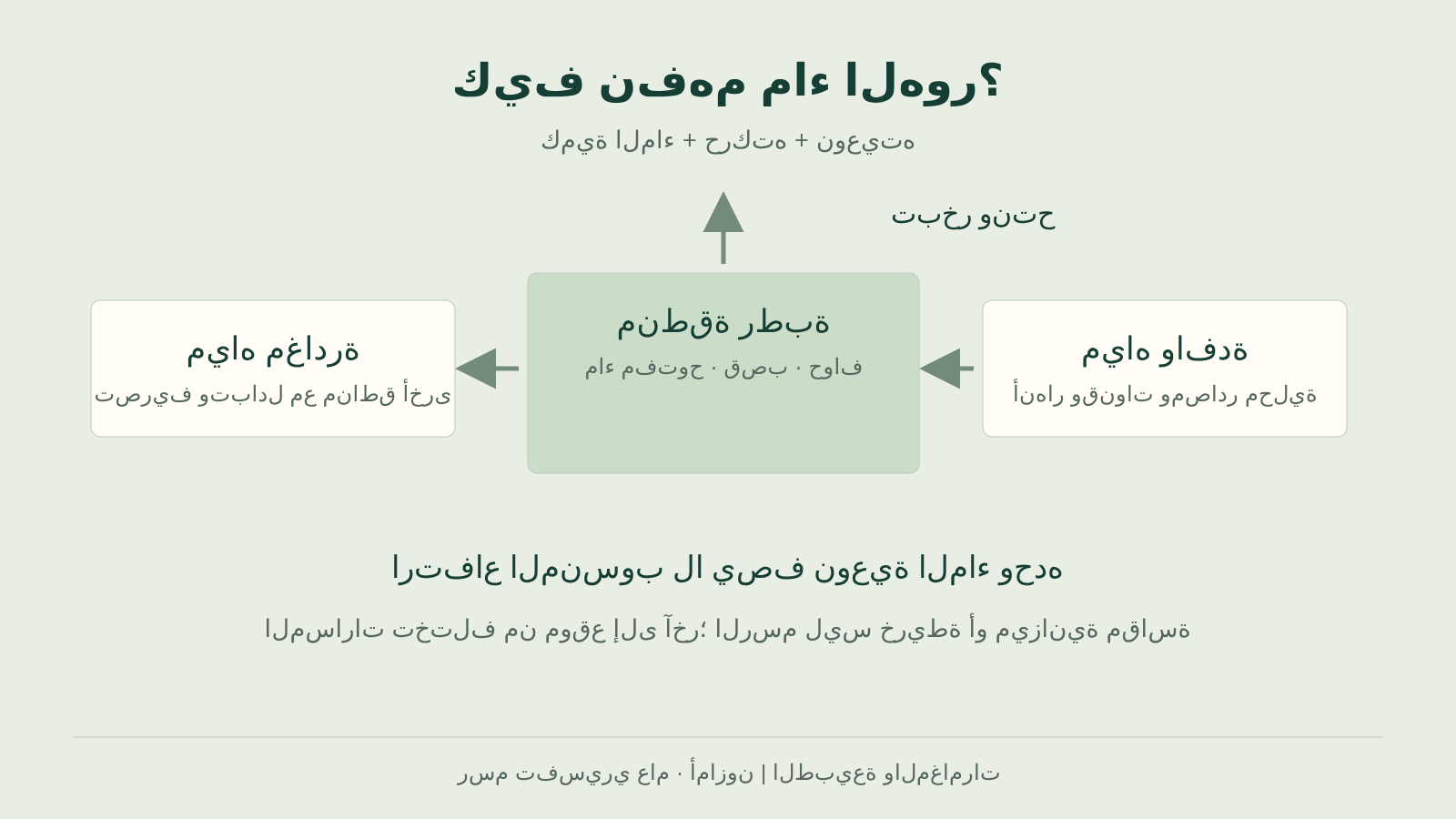 05
A clear introduction to inflow, evaporation and hydrological connections.
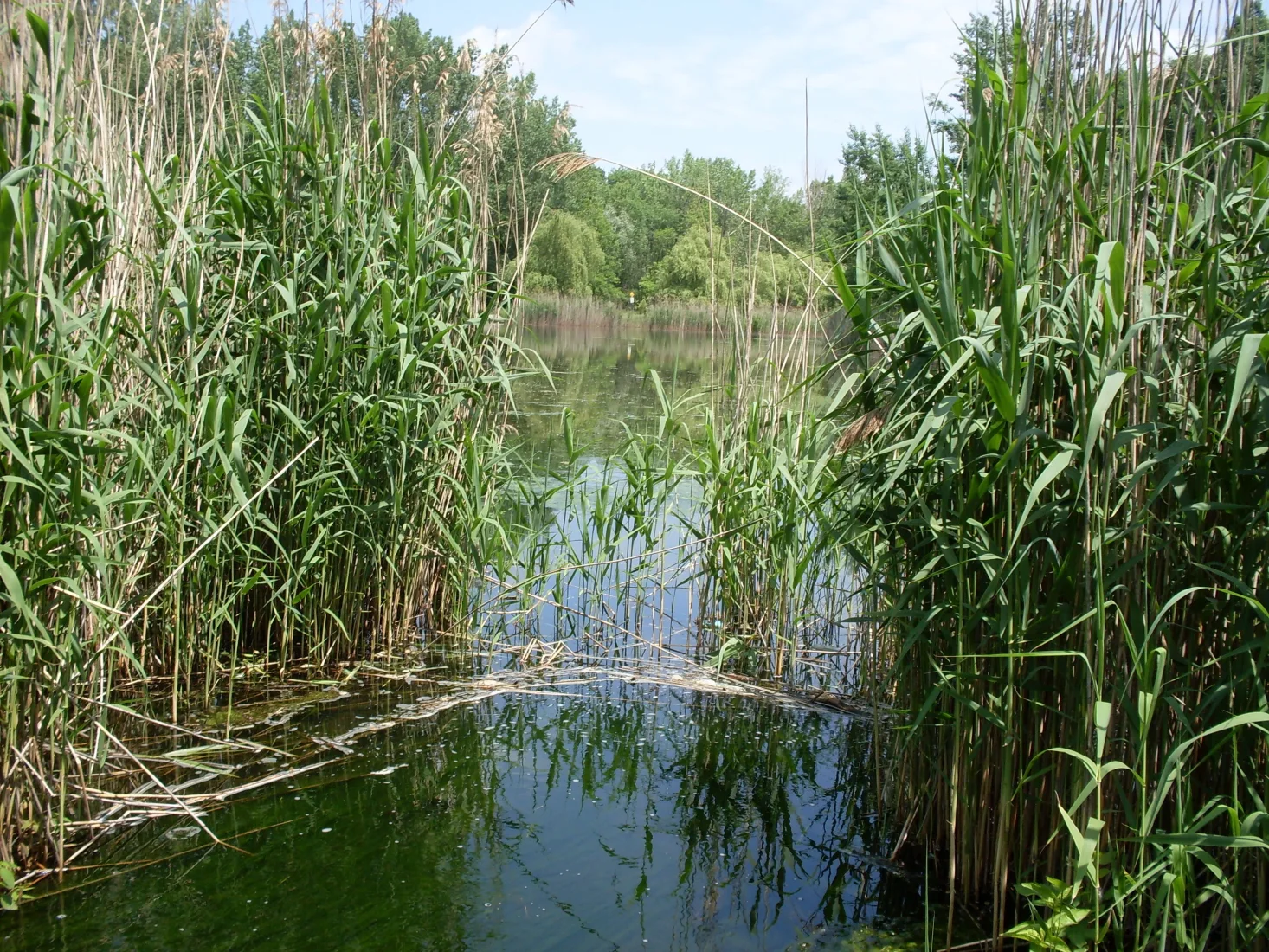 06
Why reedbeds matter to wildlife and people, and why local plant names require care.
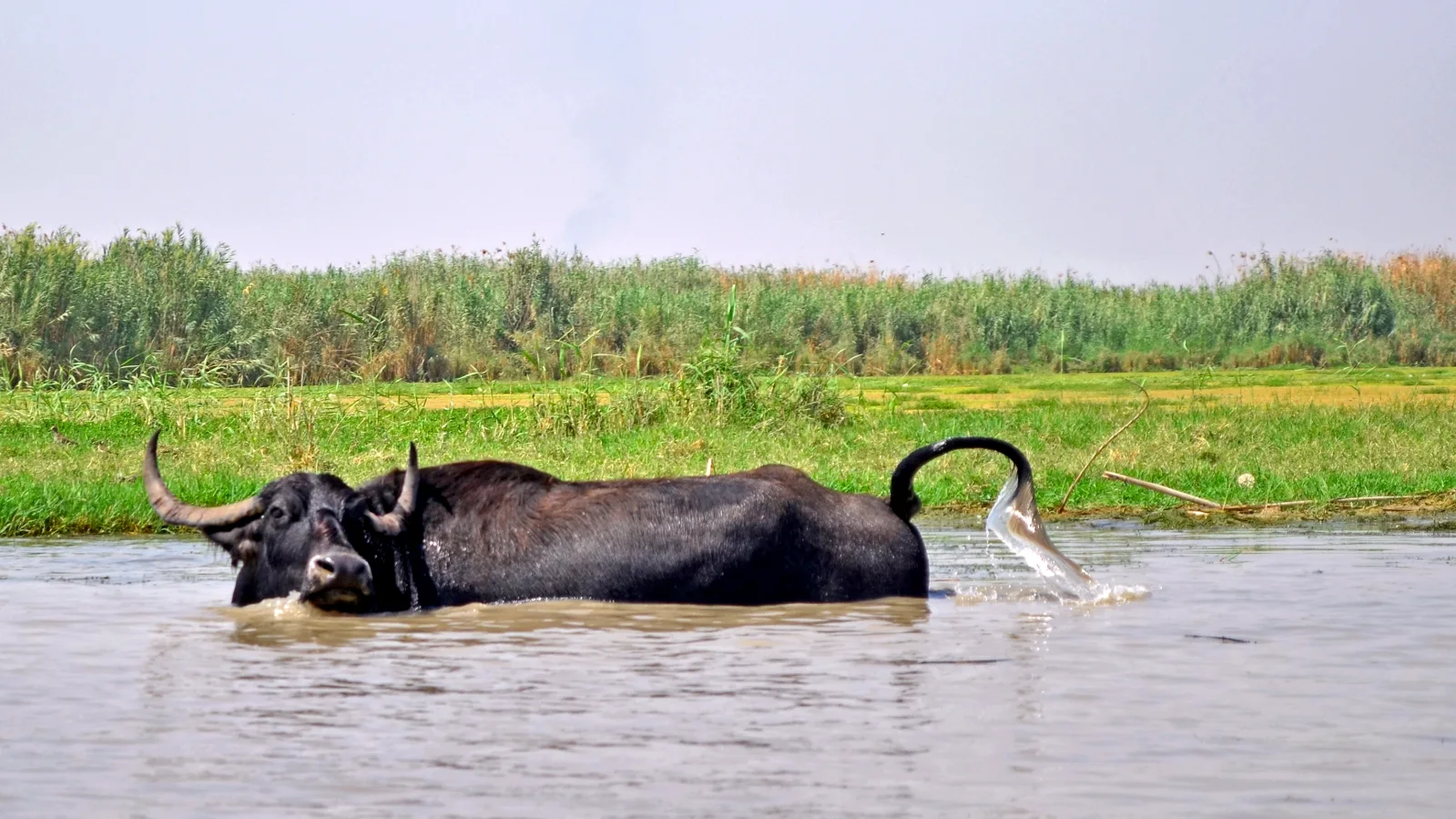 07
Why buffalo need water, and how water and feed shape a household livelihood.
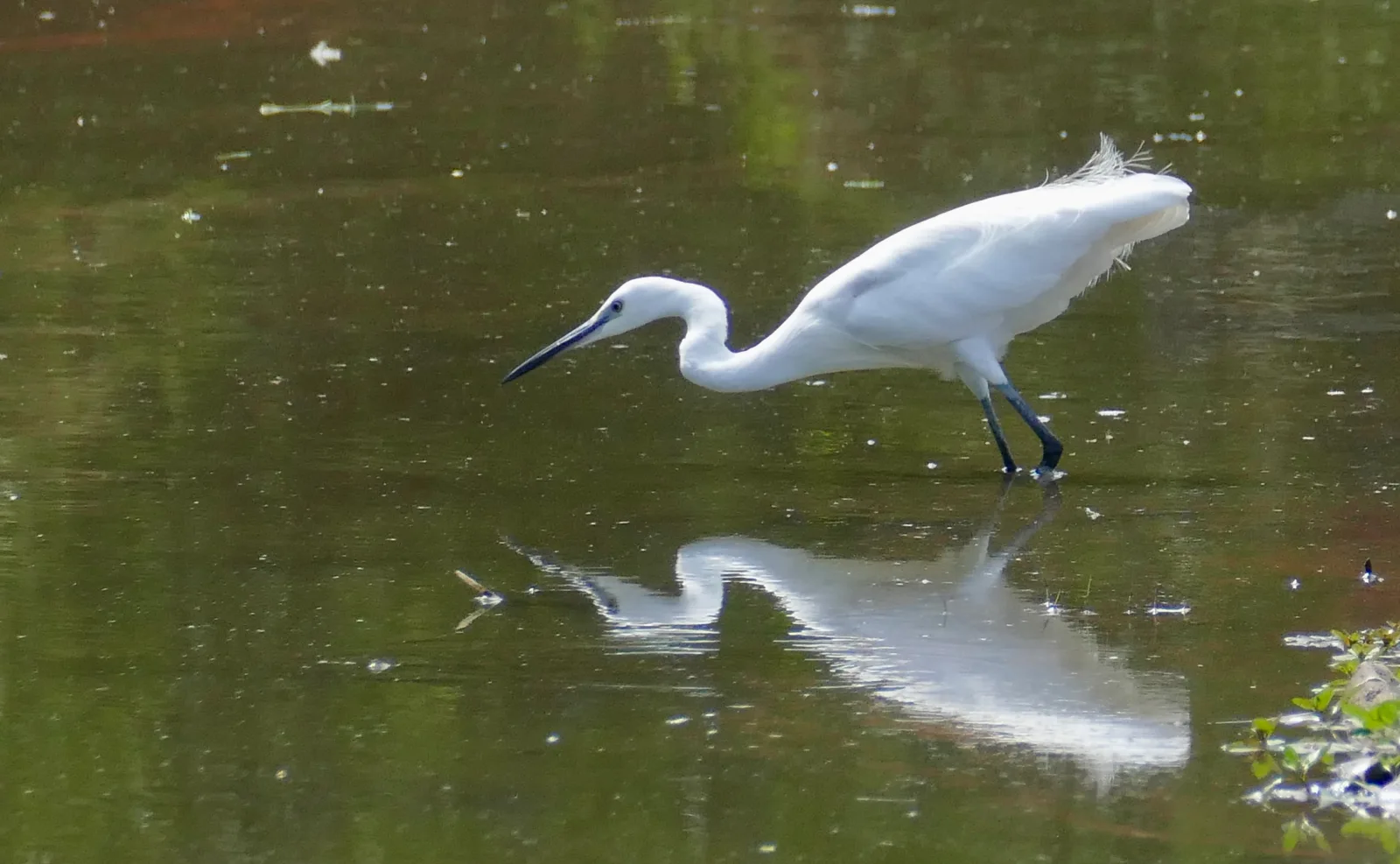 08
Start with habitat and behaviour before trying to name every bird.
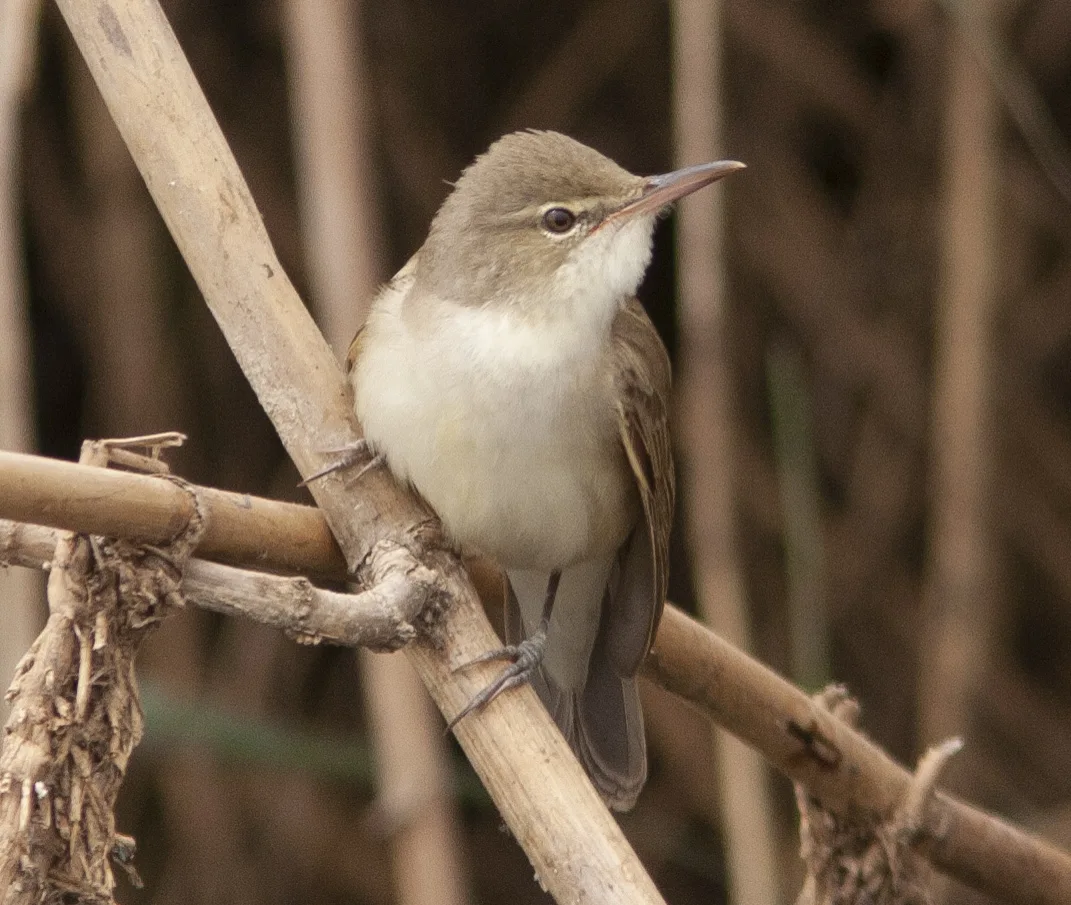 09
A small reed warbler offers a way to understand breeding habitat.
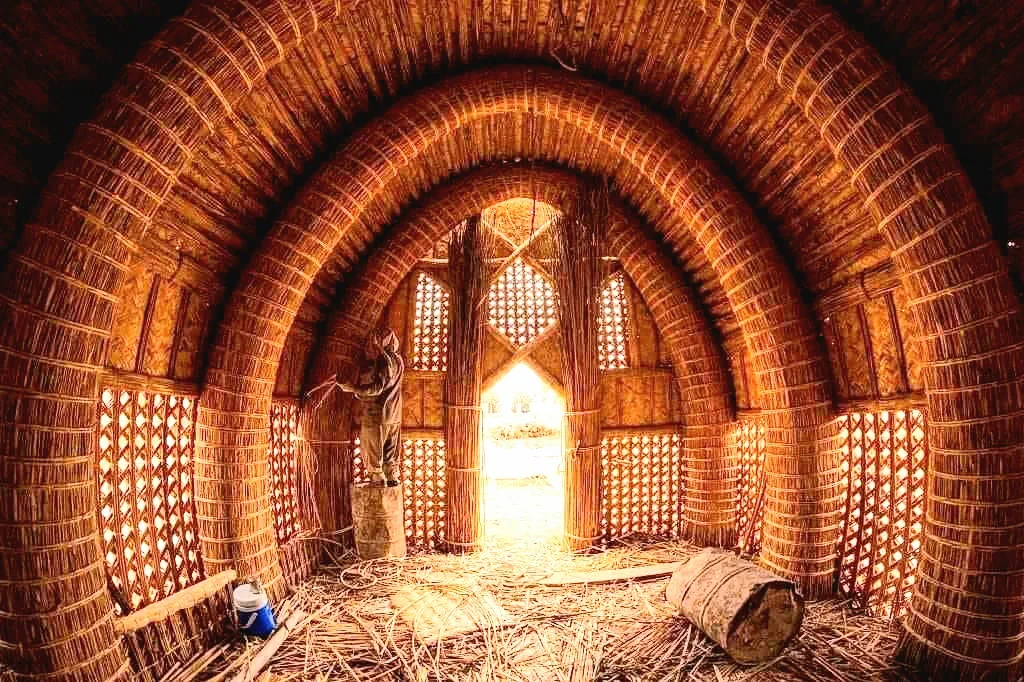 10
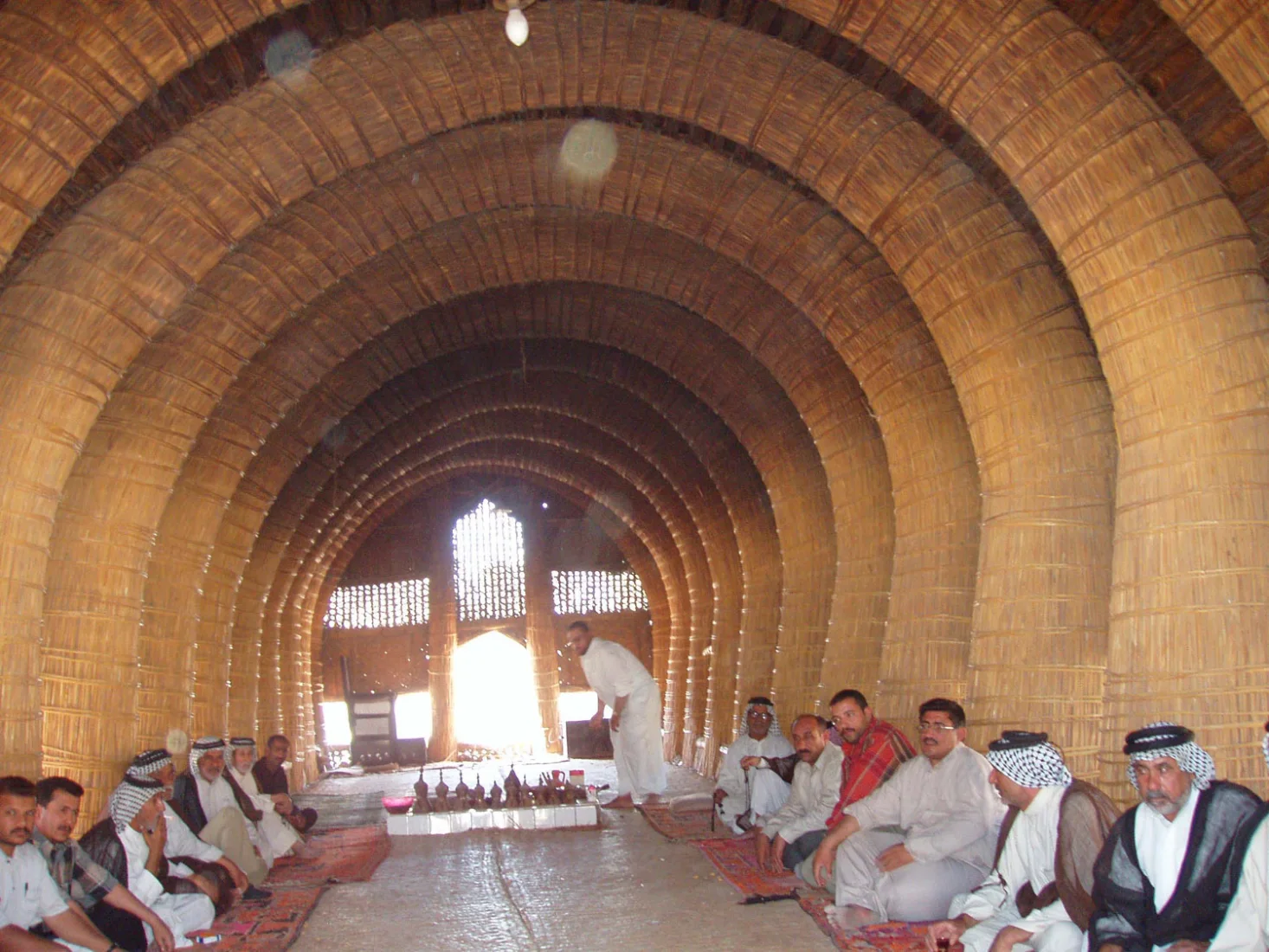
An arched reed building is also a place of hospitality and shared knowledge.
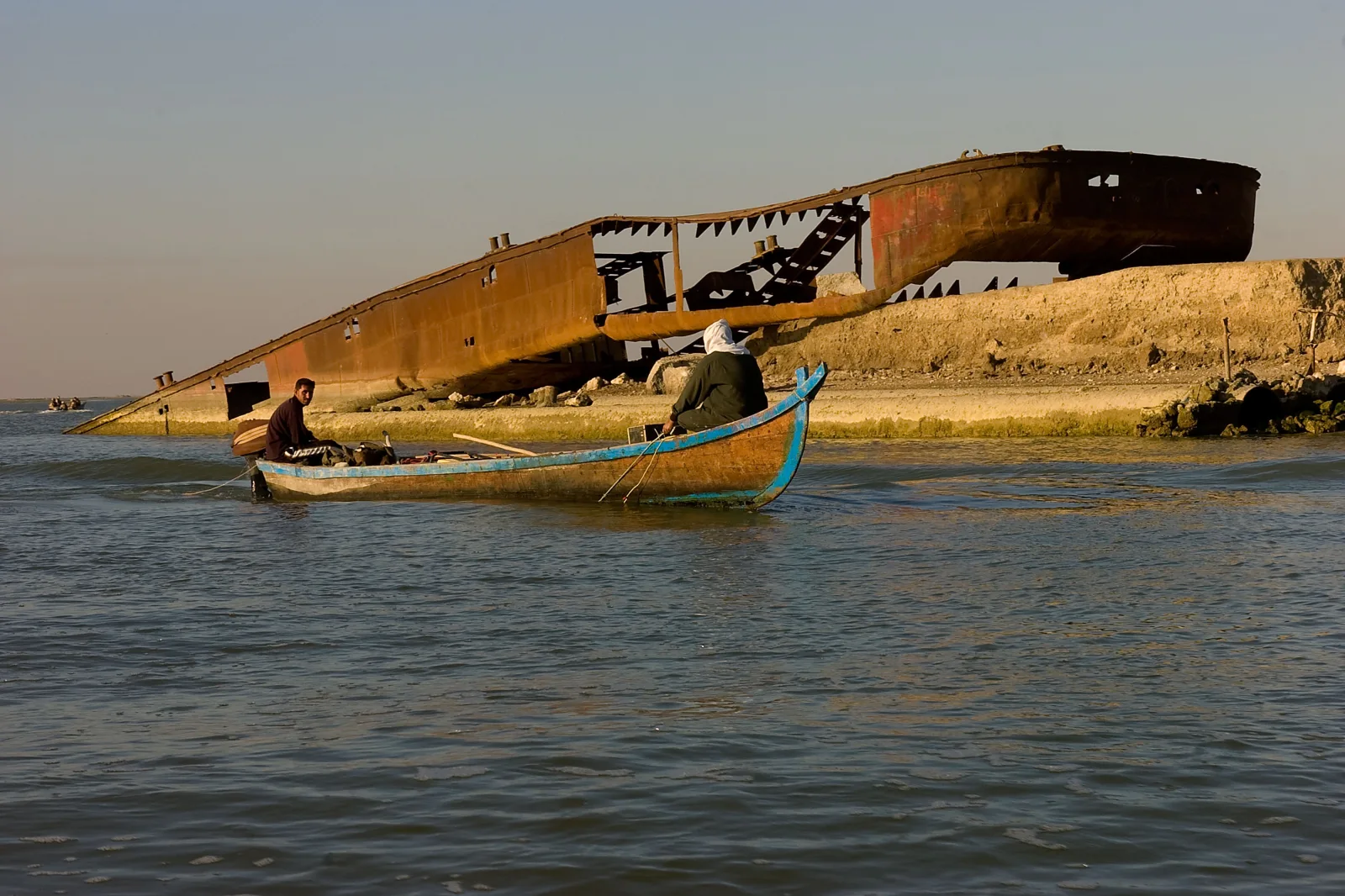 11
A boat belongs to a network of waterways, work and craft knowledge.
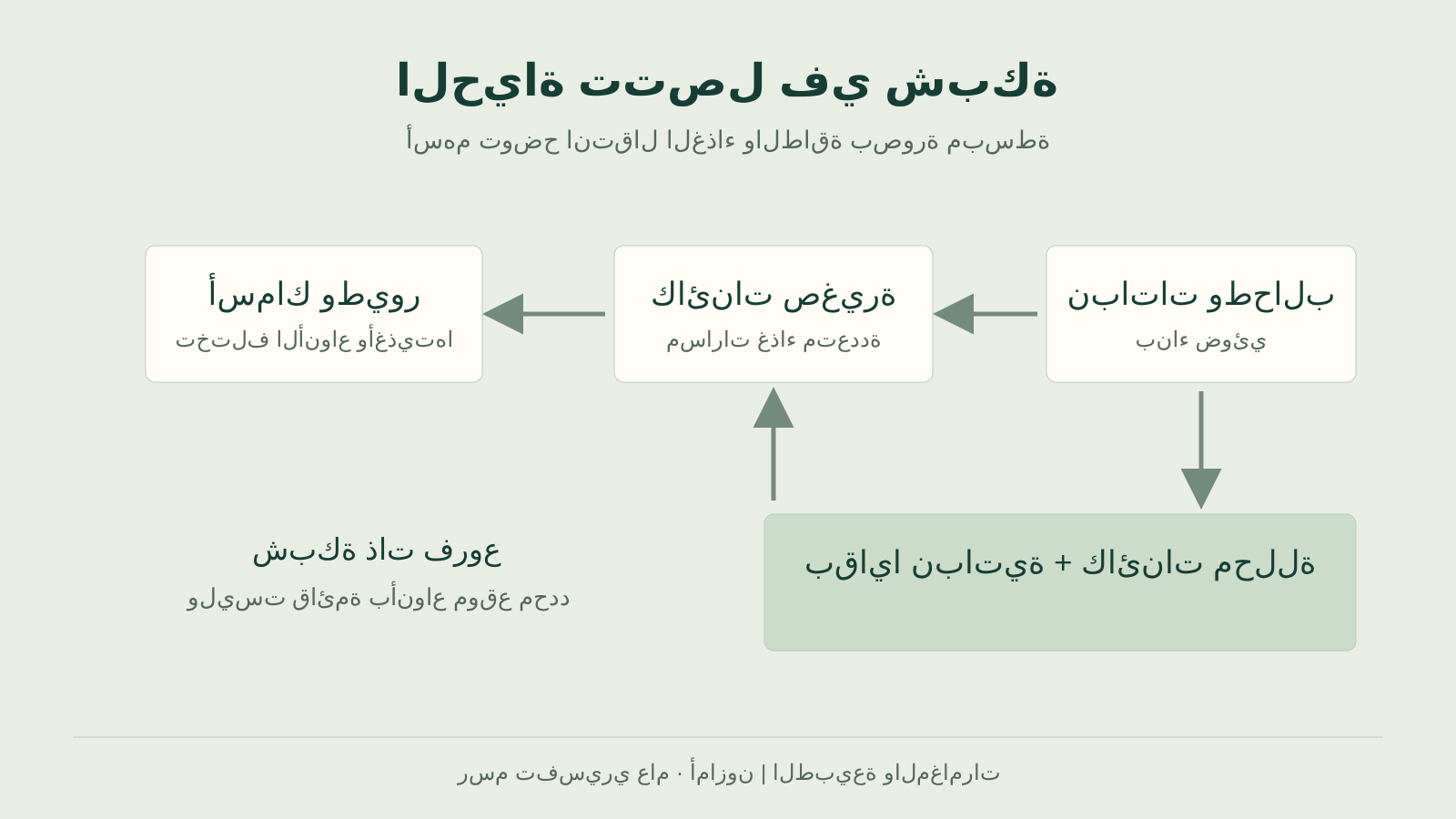 12
Energy moves through a network that includes tiny organisms and decaying plants.
 13
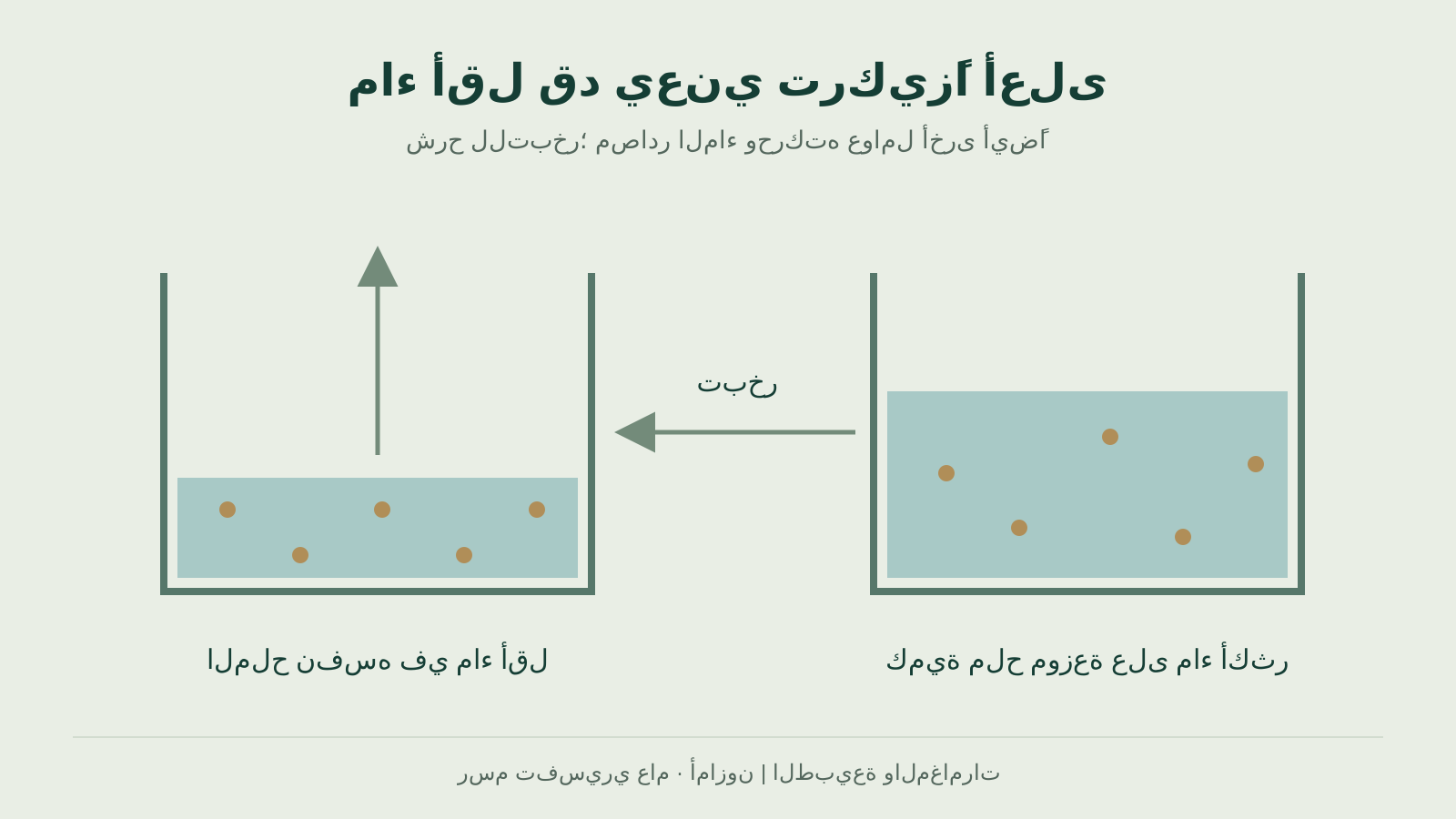
Water quantity and water quality are different questions.
 14
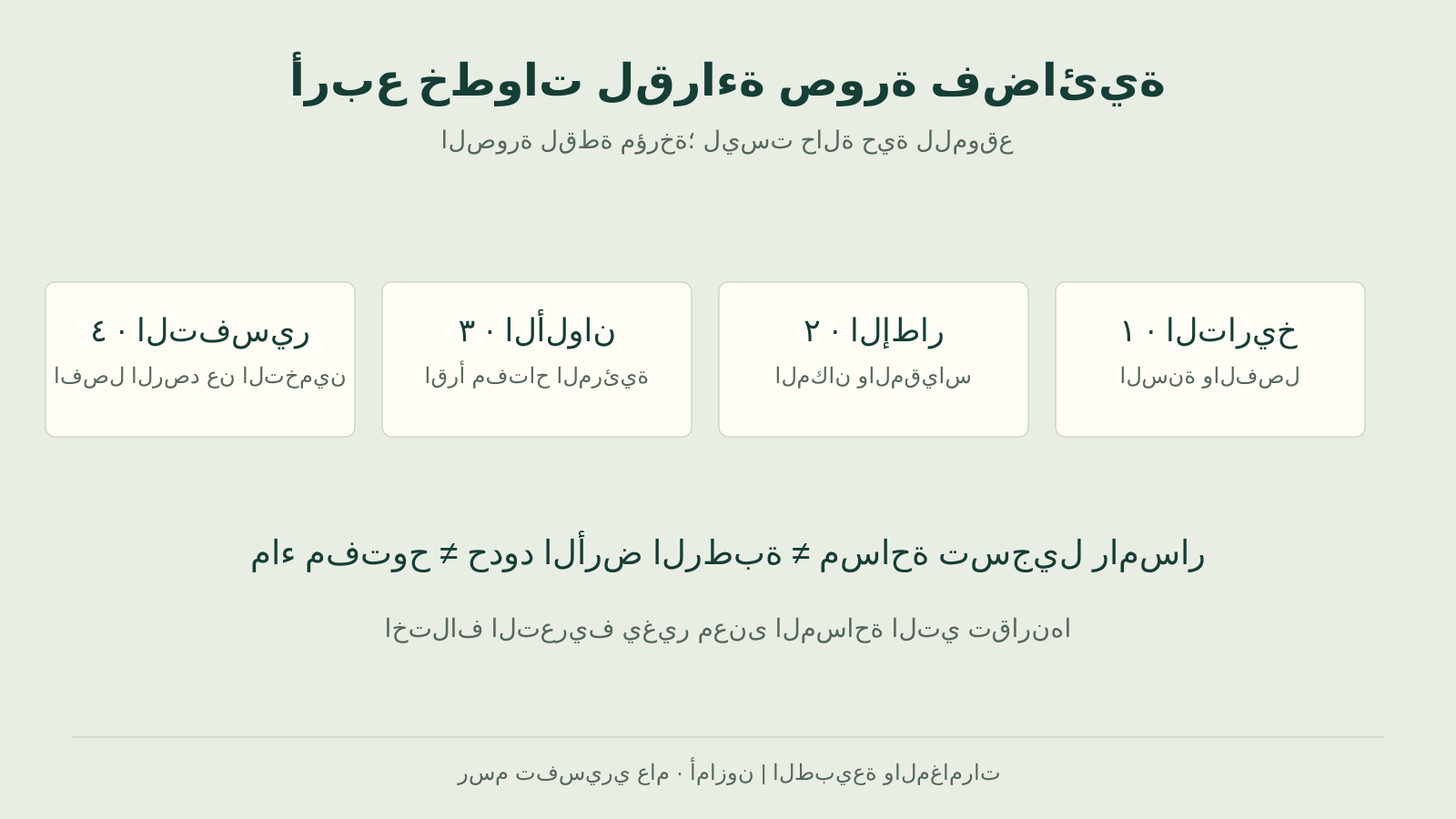
A satellite record becomes useful when dates, seasons and scale are kept in view.
 15
Questions for a local organiser, a useful packing list and respectful visiting.
 16
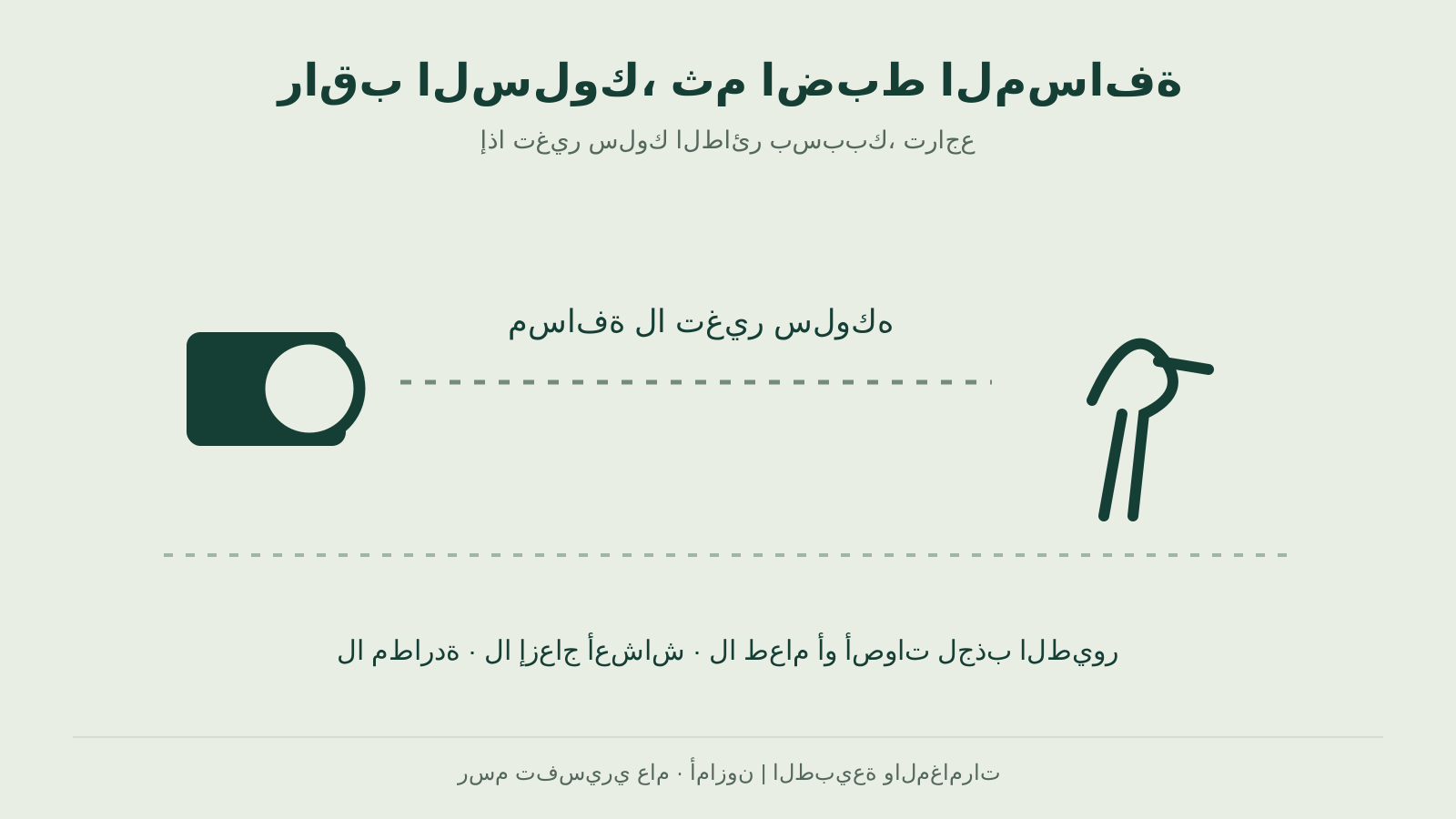
Give birds space and people a choice about being photographed.
 17
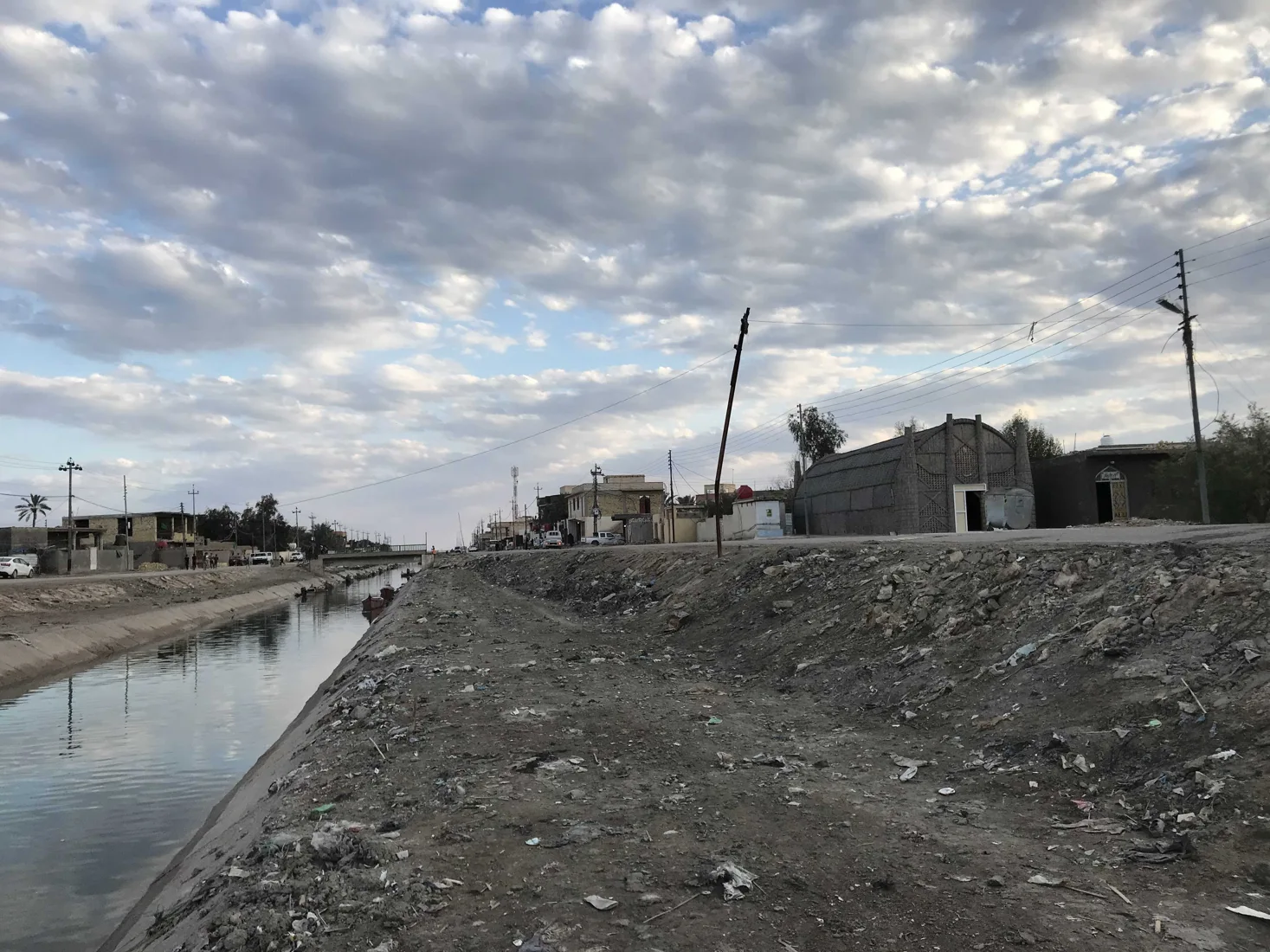
Clarity is not a water-safety test. Plan a reliable drinking-water supply.
 18
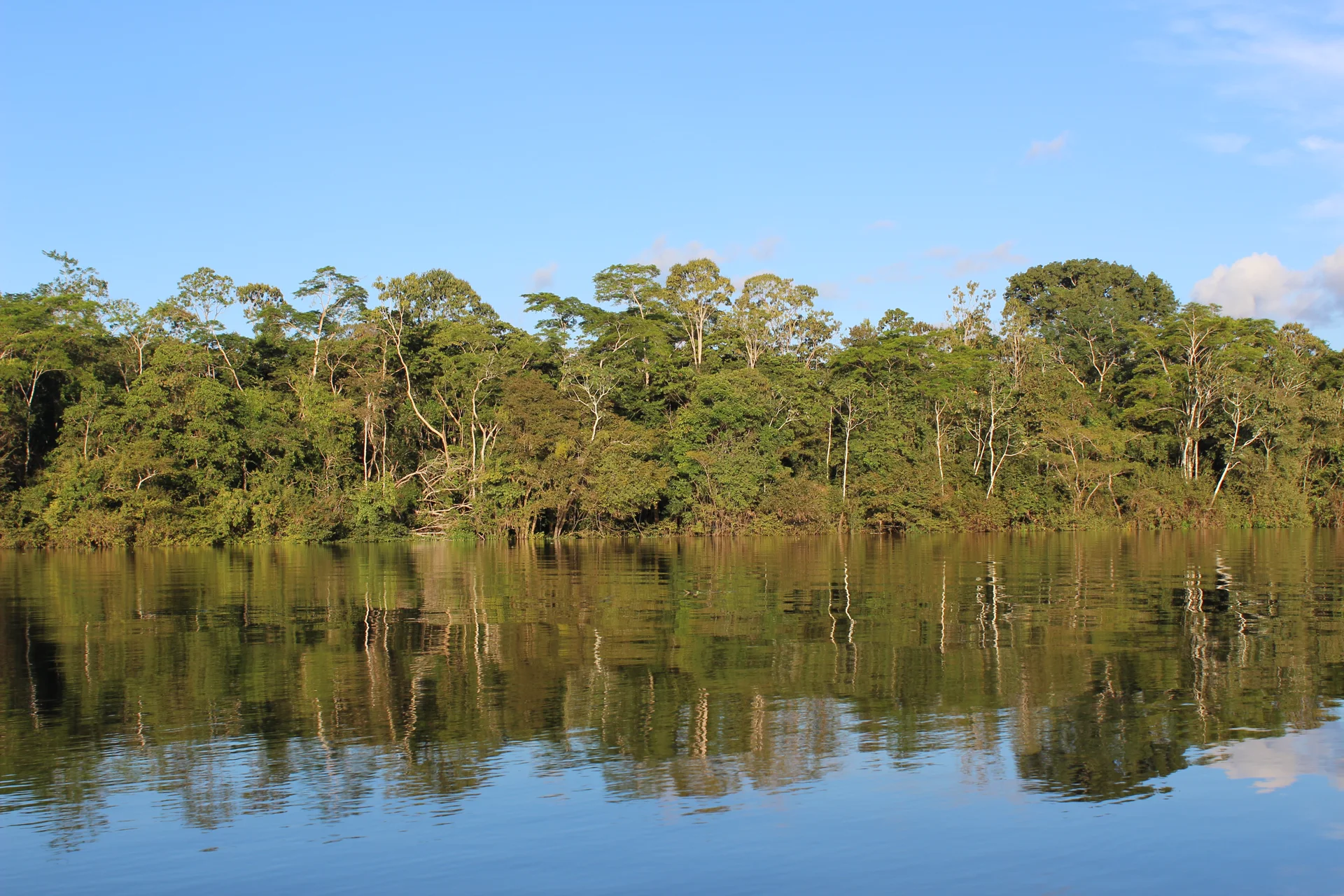
A useful comparison of rainforest and wetland, without making them the same place.
 19
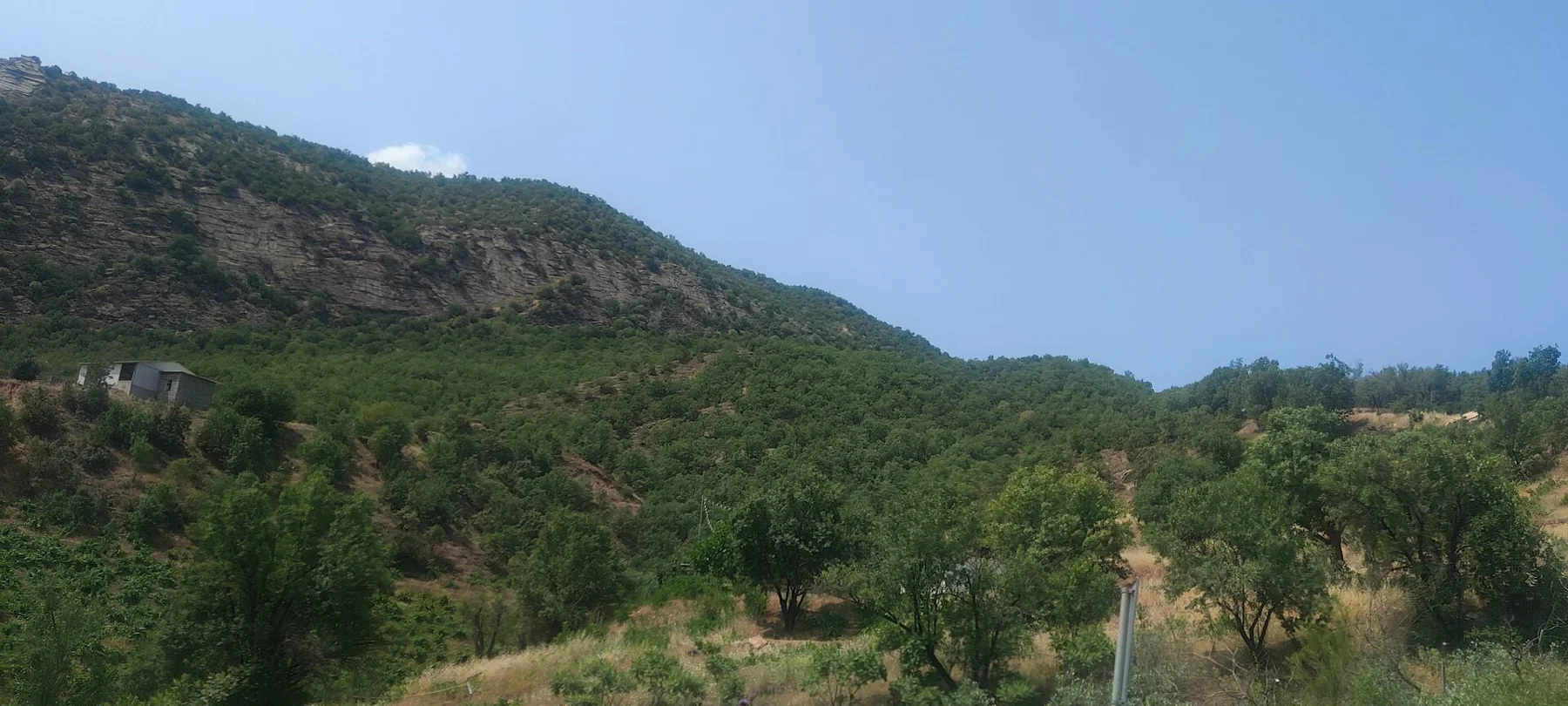
From the mountains of Kurdistan to the Shatt al-Arab estuary: a guide to the connections that shape a landscape.
 20
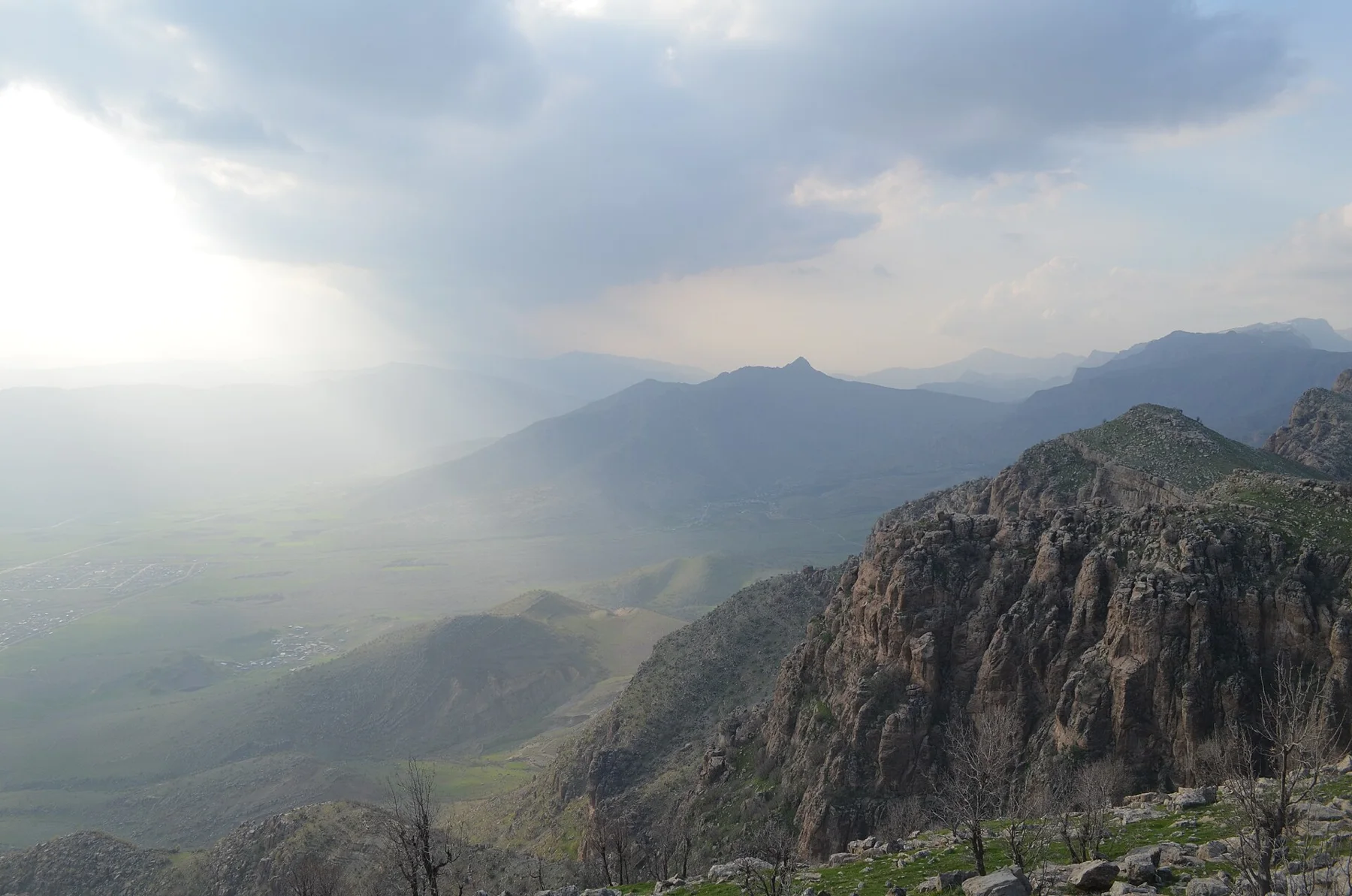
A mountain is a record of rock, water and time. Start with the landforms you can observe.
 21
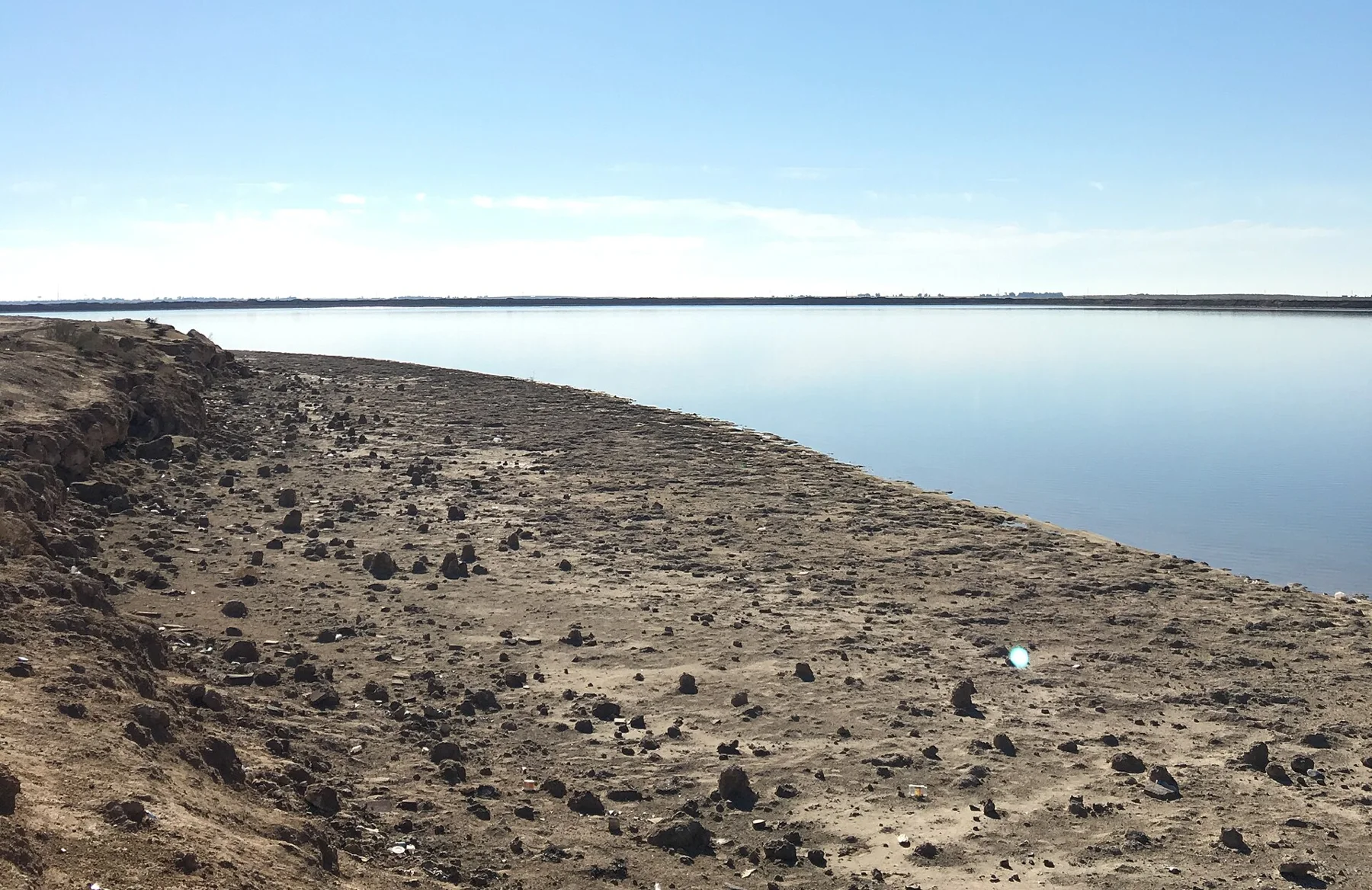
An inland lake opens questions about groundwater, salinity and the time held in photographs.
 22
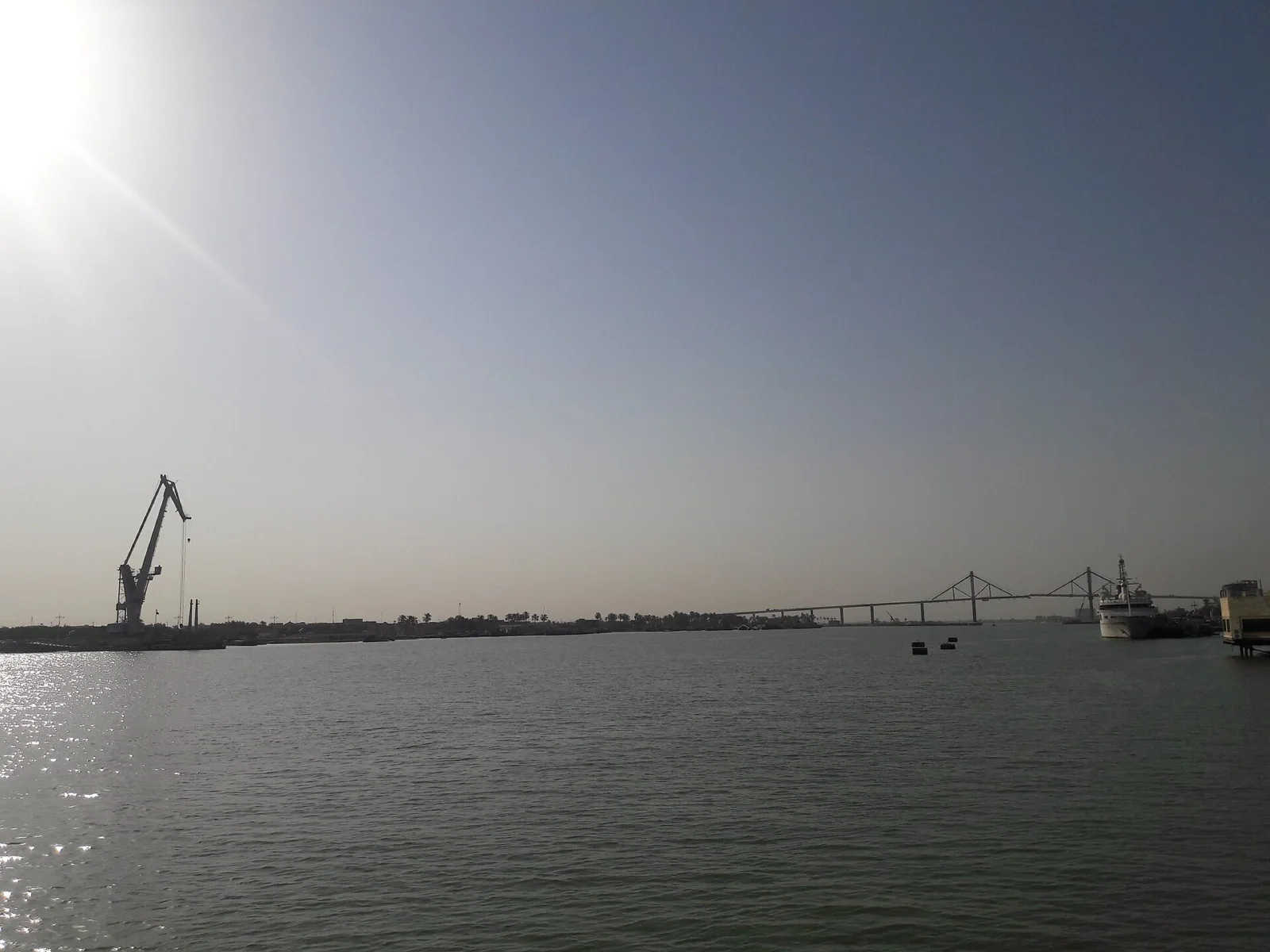
Tides, discharge and salinity offer three ways to read an estuary that changes through time.
 23
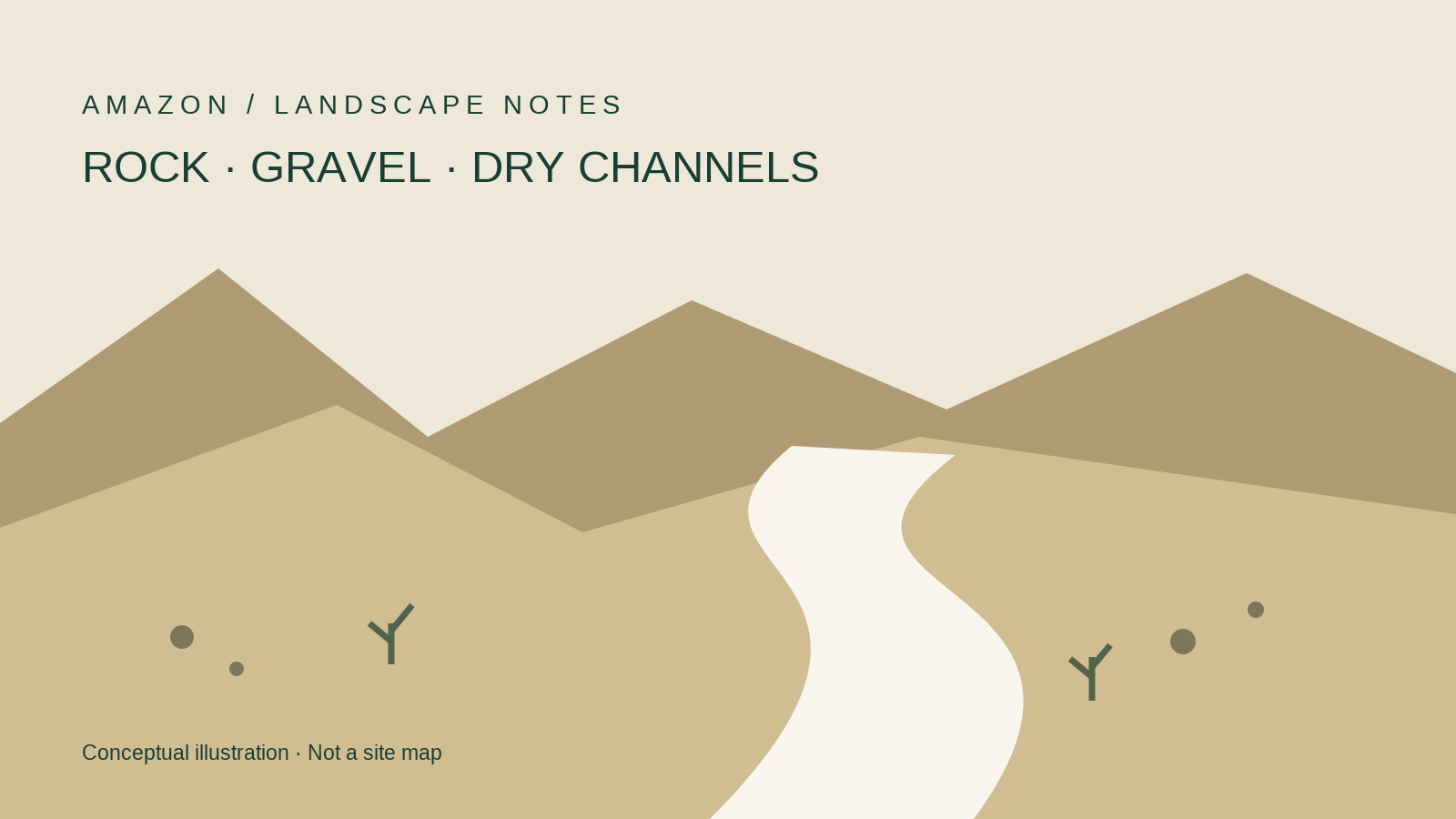
Rock, gravel and dry channels: learning to notice a landscape and distinguish natural aridity from land degradation.
 24
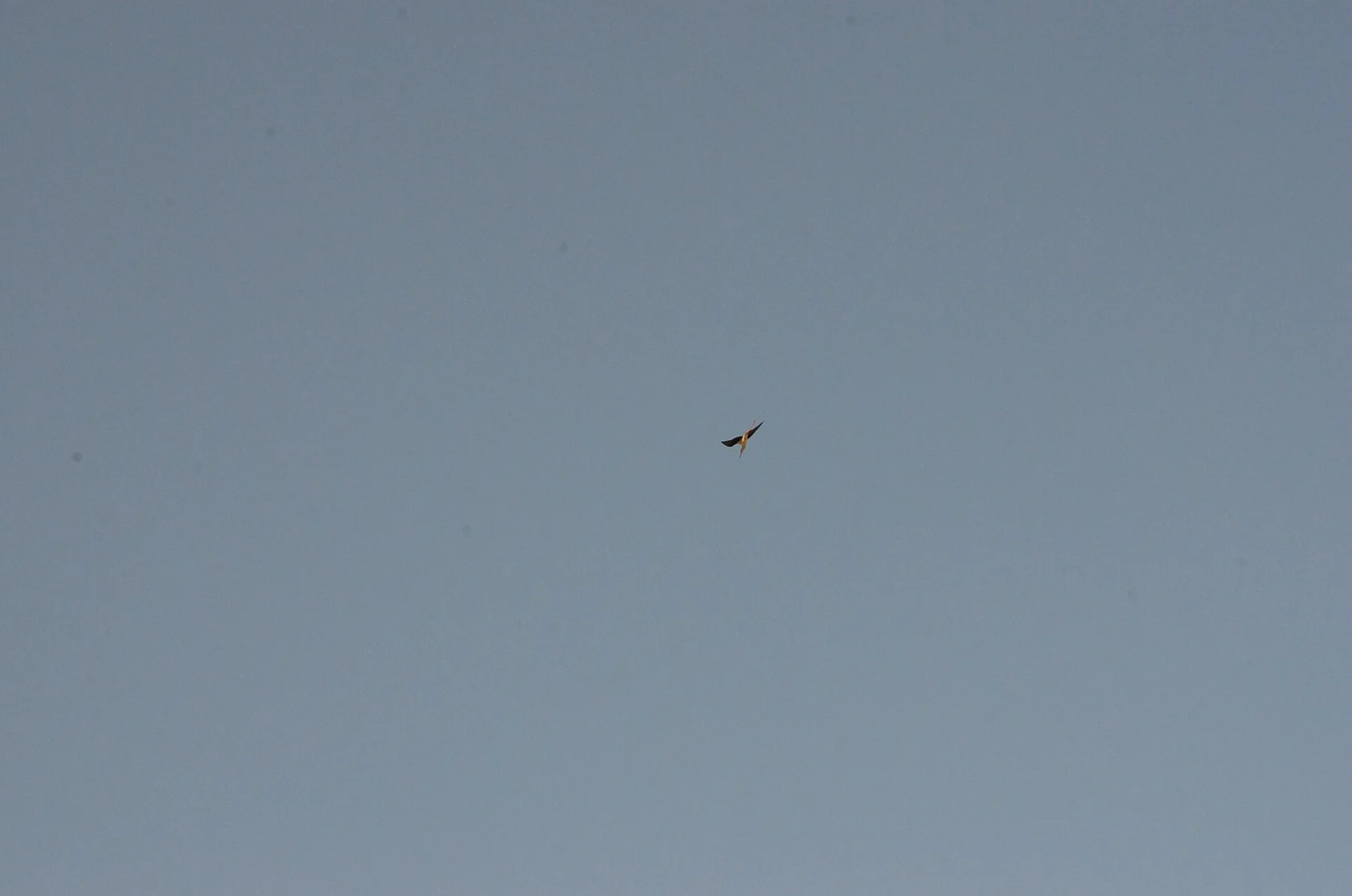
How wetlands, lakes and plains connect distant habitats: an introduction to migration and considerate observation.